For most businesses, an internet outage is a full stop: no cloud apps, no email, no EFTPOS, no VoIP. The fix is failover — a second, independent path to the internet and a gateway smart enough to switch to it automatically. In Australia that increasingly means an NBN primary with a 4G/5G or Starlink backup.
This is a checklist, not a theory lesson. Work through the five pieces and you have real resilience; skip one and you have a backup that does not actually catch you.
The failover stack — five pieces
1. A gateway that supports dual-WAN failover
This is the keystone. You need a gateway/router with two WAN inputs and automatic failover logic, so it detects the primary going down and switches to the backup without anyone touching a cable. A second connection without a dual-WAN gateway is just a second bill.
2. A second, independent connection
The backup must fail independently of the primary. A second NBN service down the same street can drop in the same fault — so prefer a different medium: 4G/5G mobile broadband, or Starlink where a second fixed line is impractical. Independence is the whole point.
3. Automatic, fast failover
“Failover” you trigger by hand at 9am is not failover. Confirm the gateway switches automatically and quickly, and ideally fails back when the primary returns. Then test it — pull the primary and time the recovery. Configured is not the same as working.
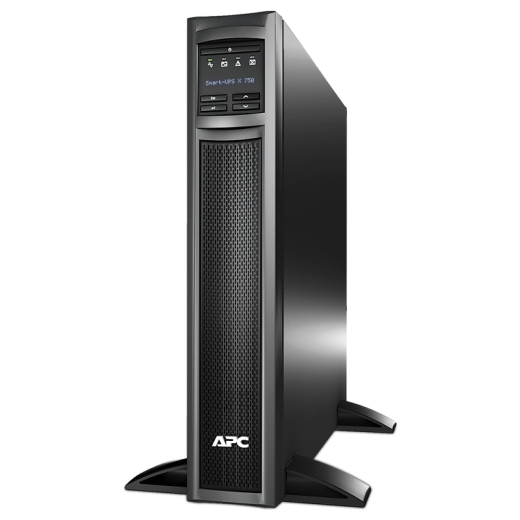
4. Power: a UPS for the closet
An outage is frequently power and internet together. If the grid drops, your modem and gateway go dark and there is nothing left to fail over. A correctly sized UPS keeps the closet alive through short outages and lets the backup path actually do its job.
5. Monitoring and a tested runbook
Know when you are running on backup — an alert, a dashboard light, something. Otherwise you discover the primary has been down for a week only when the backup also fails. Write down who does what, and re-test after any change.
Starlink as failover in Australia
Starlink is a genuinely good backup for sites where a second fixed line is hard — rural, regional, or single-carrier buildings. The honest caveats:
- It typically runs carrier-grade NAT, so no public inbound IP by default — fine for outbound business traffic (cloud, email, EFTPOS), a problem for self-hosted inbound services.
- It needs a clear view of the sky; obstructions cause dropouts.
- It adds a monthly cost whether or not the primary fails — that is the price of independence.
For most SMBs the trade is worth it: outbound business keeps flowing during an NBN outage.
Australian specifics
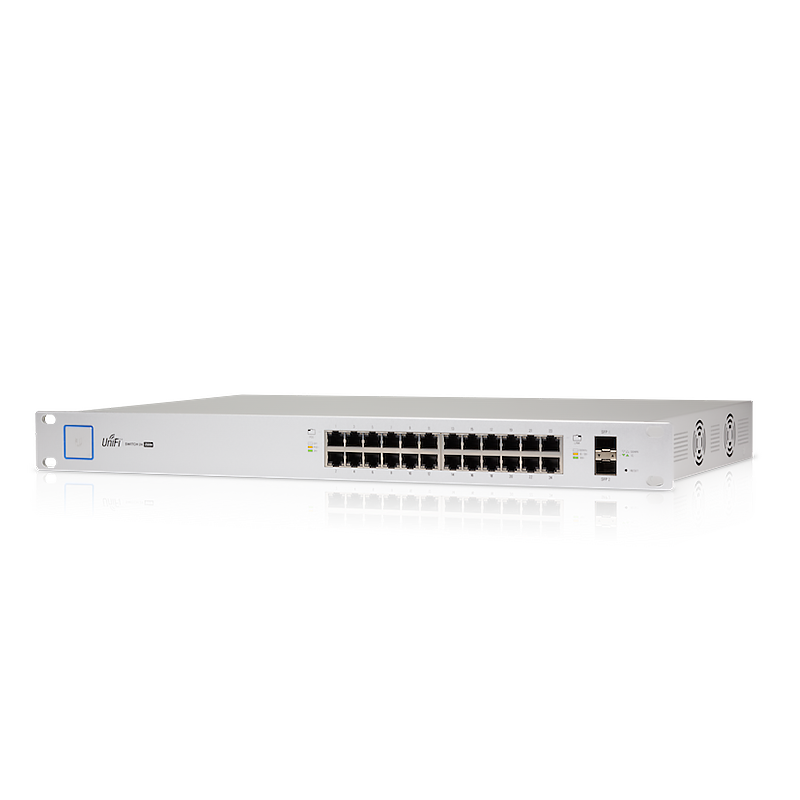
NBN faults, planned outages and storm-related grid drops are common enough that failover earns its keep for any business that can’t afford to go dark. Pricing is GST-inclusive, warranty and ACL cover sit with us, and availability is shown honestly — verified stock separate from supplier ETA, and CALL never dressed up as in stock. The dual-WAN gateway range is still coming online, so some picks below link to current options rather than a single fixed model; the UPS and switch are the verified anchors of the build. For a resilience design across sites, send it to us as a quote and we will size the gateway, backup and UPS together.